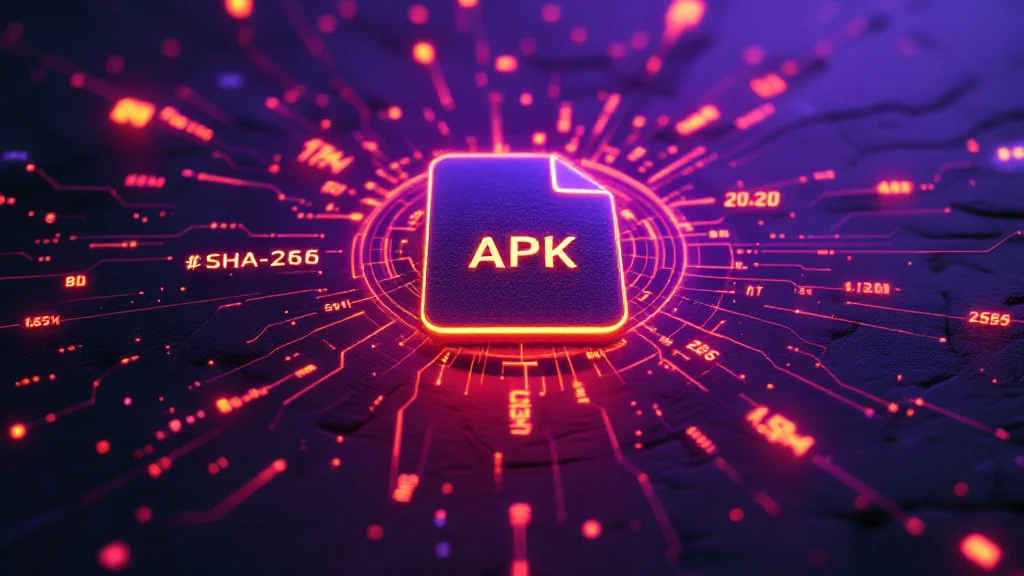
App store signatures verify who sent the file, but offline hash verification proves the exact client code hasn't been altered.
App Store Signatures (Standard Mobile Distribution)
App store signatures verify that an APK was signed with a publisher certificate recognized by Google Play or third-party repositories. While this validates vendor identity and prevents third-party package hijacking on the store platform, it requires absolute trust in central app store pipelines. Store operators retain technical capabilities to re-sign, modify, or serve targeted binary builds per region or user account without altering the visible store listing.
Offline Binary Verification (Livara Proof Lab & SHA-256)
Offline hash verification calculates a cryptographic Android SHA256 checksum directly on the user's local device and compares it against published, signed manifests. By utilizing reproducible builds and in-browser offline calculation via Proof Lab cryptography, users independently verify that the local APK byte stream matches audited source code without trusting central app store intermediaries.
App store signatures provide basic developer identity, but offline binary verification via verifiable APK integrity provides cryptographic certainty. For users demanding private messaging security, verifying local SHA-256 checksums offline guarantees client code has not been altered during distribution.
App store signatures confirm where a mobile app came from, but they do not prove that running client code matches public source releases. Offline hash verification allows users to calculate an Android SHA256 checksum on a local device and compare it against cryptographic manifests. By achieving verifiable APK integrity through Proof Lab cryptography without relying on app distribution networks, users establish reproducible builds messaging and ensure client code remains untampered.
Key takeaways
- App store signing certificates confirm developer identity, but cannot prevent localized server-side binary swaps or store-level build modifications.
- Offline hash verification lets you calculate an Android SHA256 checksum locally using standard terminal tools without querying remote servers.
- Reproducible builds messaging enables independent developers to compile source code into an identical binary digest to inspect vendor claims.
- Comprehensive security requires extending cryptographic verification from transport protocols to local client application binaries.
- Livara provides an offline Proof Lab at
/proofso users can compare release signatures and binary checksums inside their browser.
Why app store signatures fail to deliver verifiable APK integrity
App store signatures establish trust by linking an application to a developer's signing key, but fail to guarantee that the binary you download matches published source code. Centralized app stores hold the technical capability to re-sign or swap application binaries per region, user account, or platform request without altering the public store listing. If a distribution node or store platform delivers a modified client build, your mobile operating system accepts the installation as valid as long as the developer signature matches. This operational reliance on central distribution channels creates a single point of failure for secure communications, making verifiable APK integrity essential for strict threat modeling.
How offline hash verification proves binary integrity
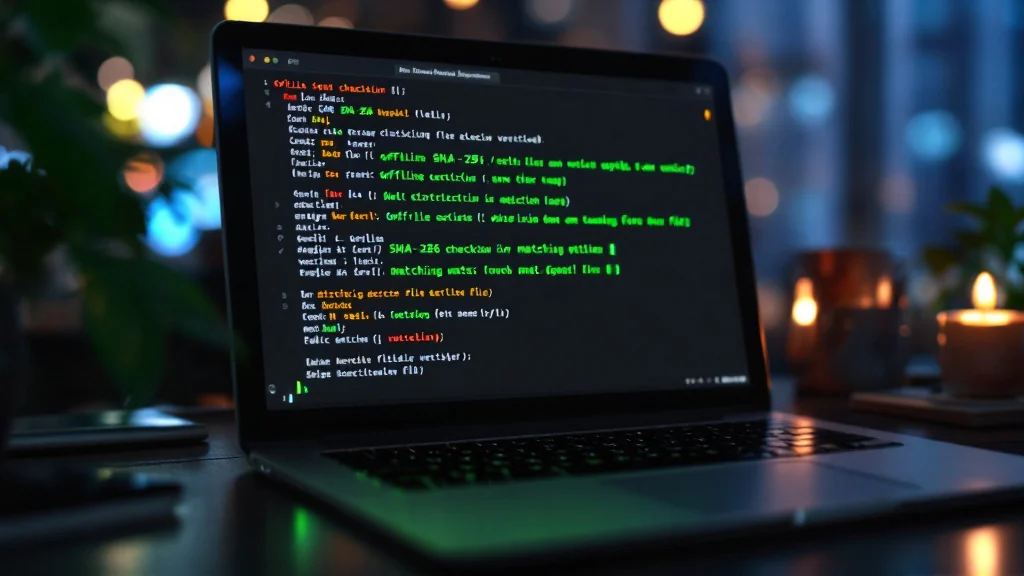
Offline hash verification compares the cryptographic digest of an application binary against a published release record using deterministic hash functions. When a development team builds a software release, they generate an Android SHA256 checksum—a unique 256-bit hexadecimal digest calculated across every byte of the compiled file. Because cryptographic hash functions are collision-resistant, altering a single byte inside the client binary produces a completely different output hash.
According to Google's Android Developers documentation for the apksigner tool, security analysts and users can inspect package certificates and check signature digests on their device using apksigner verify --print-certs. On desktop platforms, standard operating system utilities like shasum -a 256 on macOS or certutil on Windows calculate local file digests. Comparing this computed digest offline against published release hashes proves that no third party modified the executable during transit.
How reproducible builds messaging protects private clients
Reproducible builds messaging guarantees that independent third parties can compile public source code and produce the exact byte-for-byte executable released by the software vendor. Without reproducible builds, a vendor could publish clean source code online while distributing modified binaries containing hidden vulnerabilities through mobile store platforms.
When combined with post-quantum encryption—such as NIST FIPS 203 ML-KEM-768 key encapsulation combined with ECDH P-256 key agreement in Livara's LVR1 protocol—reproducible builds guarantee that public cryptographic primitives match the code running on your mobile hardware. To evaluate whether a platform meets this operational standard, review our secure messaging app checklist before placing trust in vendor claims.
How Proof Lab cryptography implements zero-trust Android SHA256 checksum validation
Livara’s Proof Lab provides an in-browser cryptographic engine that computes file digests locally without sending binary data or hash queries to external servers. Located at /proof, the Proof Lab allows users to load their downloaded Android APK file to perform an offline hash verification against public release manifests.
The system compares the local APK digest against the official SHA-256 fingerprint, published release signatures, and double-ratchet parameters. Because all computation occurs inside local browser memory using WebAssembly, your verification process remains private even when your device is disconnected from the internet.
What are the practical limits of binary verification?
While offline binary verification guarantees that your client file matches the published vendor build, it does not detect operating-system-level keyloggers or compromise in device runtime memory. Furthermore, group membership in Livara remains server-controlled, and call media does not use post-quantum encryption. Binary verification validates client code, whereas routing metadata (sender ID, destination, delivery timestamps) must still process through network infrastructure, as explained in our guide on messaging metadata.
Additionally, understand the functional boundaries of encryption within the client application: direct messages (LVR1 protocol) and private groups (LGS1 protocol) use hybrid post-quantum end-to-end encryption. Public channels are broadcast streams intended for public distribution and remain unencrypted so server operators can review and remove abusive material. For details on system boundaries, inspect our published threat model page.
Frequently asked questions
What is the difference between an app store signature and an APK checksum?
An app store signature verifies that a developer certificate recognized by the platform store signed an application package. An Android SHA-256 checksum confirms the exact byte composition of the downloaded file. Signatures validate publisher identity, whereas checksums confirm intermediaries have not altered the binary.
Can I run offline hash verification without specialized developer software?
Yes. Standard desktop operating systems include native terminal tools for calculating cryptographic hashes, such as shasum -a 256 on macOS/Linux or certutil on Windows. Alternatively, browser-based tools like Livara’s Proof Lab compute file digests in client memory without uploading data or installing command-line utilities.
Does offline binary verification protect public channels in Livara?
No. Binary verification confirms that client code is untampered, but public channels on Livara are broadcast streams that remain unencrypted to support content moderation. Direct messages (LVR1) and private groups (LGS1) use end-to-end post-quantum encryption.
Why are reproducible builds essential for post-quantum security?
Post-quantum algorithms like NIST FIPS 203 ML-KEM-768 require precise mathematical execution to prevent implementation flaws or key downgrade attacks. Reproducible builds allow independent developers to compile public source code and confirm that the published mobile executable implements the open post-quantum specifications without modifications.
Inspect your app binary today at /proof to validate your client build offline before sending your next message.
Livara Team is the collective in-house author. This byline does not indicate independent review; assess claims using the cited sources and stated limits.