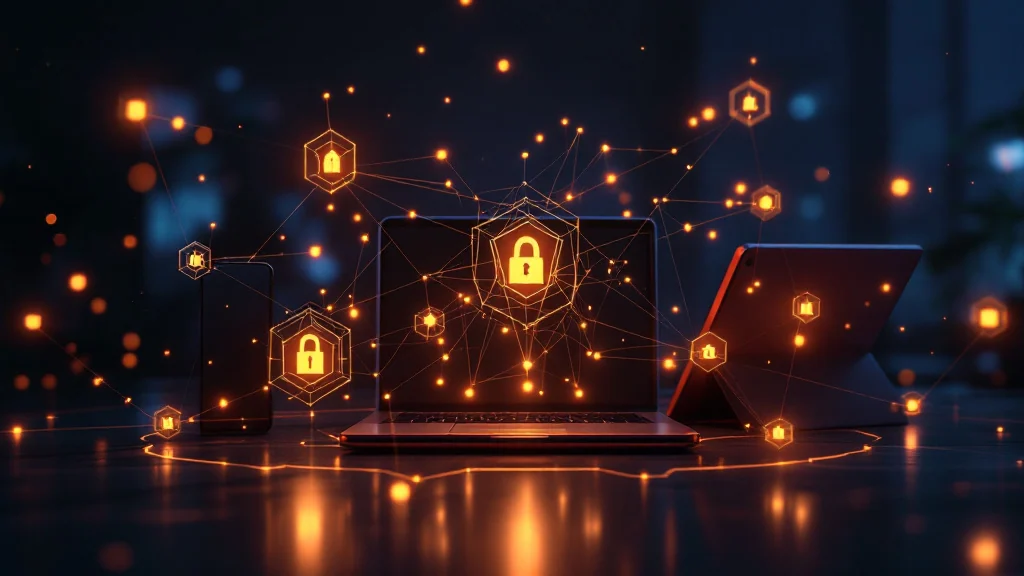
Multi-device secure messaging forces a stark choice: store chat history in a central database or lose access when switching screens. Livara solves this.
Multi-device secure messaging forces a stark choice: store your chat history in a central database or lose access when you switch screens. Centralised databases solve the synchronisation problem by creating a massive vulnerability. Livara device sync solves this dilemma by treating every screen as an independent cryptographic endpoint. We rely on transient routing metadata to coordinate delivery while securing messages with a hybrid post-quantum ratchet. Your cross-device E2EE experience remains seamless, and the server handles only sealed ciphertext.
Key takeaways
- Cross-device E2EE requires encrypting a distinct message copy for every device a user connects.
- Livara secures direct messages using the LVR1 protocol, combining a P-256 ECDH ratchet with an ML-KEM-768 epoch ratchet.
- Transmitting transient routing metadata—such as sender, destination, and delivery timestamps—coordinates message delivery across screens without exposing content.
- Private group chats (LGS1) maintain end-to-end encryption for messages, while the server controls group membership.
- Public channels act as open broadcast streams and remain unencrypted by design.
- Zero-knowledge authentication via Secure Remote Password (SRP) ensures passwords never travel over the network during device pairing.
Why is multi-device secure messaging difficult to build?
Syncing messages across a phone and a laptop creates a fundamental cryptographic problem. Consumer chat platforms resolve this by storing your chat history in plaintext databases, giving every logged-in device an easy view. This model compromises data sovereignty.
True security requires the server handles only ciphertext. When a device requests message history, a central server cannot decrypt the archive to help. To maintain secure multi-device messaging, the sender's device must encrypt the message for every individual device the recipient owns. The complexity of key management multiplies with every connected screen. A weak implementation risks a single compromised laptop breaking the cryptographic chain for the entire account.
How does Livara device sync work without compromising the ratchet?
Livara device sync treats every screen you own as an independent endpoint with its own keys. When a contact messages you, their application does not send one message to a server for bulk distribution. It encrypts a distinct copy of the payload for your phone, your tablet, and your desktop.
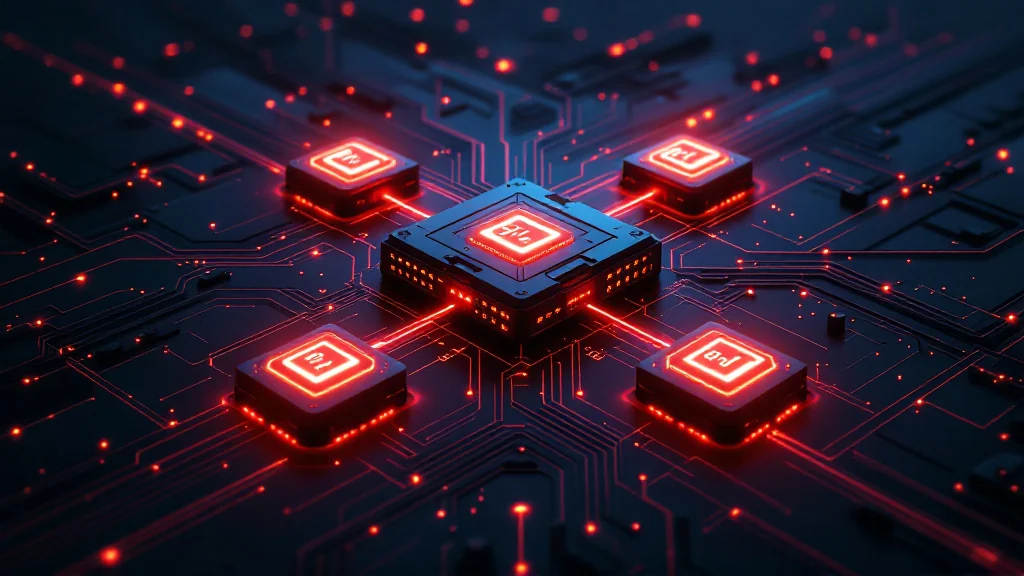
Direct messages run on the LVR1 protocol. This implementation features a hybrid post-quantum double ratchet. A standard P-256 ECDH key agreement runs alongside an ML-KEM-768 (NIST's FIPS 203 standard) epoch ratchet. Every message key derives from both algorithms using an HKDF-SHA-256 key derivation function. The payload is encrypted with AES-256-GCM using a 12-byte nonce and a 16-byte tag, followed by an ECDSA P-256 with SHA-256 signature.
Because each device maintains unique key pairs, the system guarantees forward secrecy and post-compromise security across all screens. An attacker compromising an old tablet cannot read past conversations or intercept future messages once the ratchet turns. Read our guide on how end-to-end encryption works to understand these boundaries.
What role does routing metadata privacy play in cross-device E2EE?
Routing metadata coordinates the real-time delivery of encrypted payloads to the correct devices. To push a message to your desktop while your phone is offline, the server requires coordination data. Livara retains standard routing metadata: the sender, the destination, and delivery timestamps.
This transient metadata ensures your devices receive and sequence messages in the correct order. The server reads the destination on the envelope, but the AES-256-GCM encryption obscures the contents. Once a message reaches all registered devices, the payload drops from the delivery queue. Routing metadata privacy focuses on minimising this stored data to what is necessary for network operation. For a detailed breakdown of delivery logs, read what messaging metadata reveals.
Are public broadcast channels and groups synced the same way?
No. Livara treats private group conversations and public broadcast channels with distinct security models. Private groups use the LGS1 protocol. The server controls group membership, but messages retain sender-key end-to-end encryption. Each sender key seals inside pairwise LVR1 envelopes.
Group messages maintain the exact same post-quantum security as direct messages. Every text, edit, photo, video, file, caption, and voice note in a group remains end-to-end encrypted across all your devices.
Channels are public broadcast streams. A channel provides a surface for one author to publish to an unbounded audience. Channels remain unencrypted so Livara can moderate abuse material and ban channels hosting illicit content. Never describe broadcast channel content as end-to-end encrypted. Consult our published threat model for explicit details on what is and is not readable.
How can I check my encrypted chat synchronisation is secure?
You secure your cross-device E2EE by confirming cryptographic identities out of band and checking client integrity offline. Livara uses Safety numbers (v3) to let two people compare key fingerprints. This process detects key changes and flags unauthorised devices inserted into a conversation.
Livara secures the device pairing process. We use SRP (Secure Remote Password) for zero-knowledge authentication. SRP proves you know your password without transmitting it over the wire, protecting your account from man-in-the-middle attacks during login. Android users can confirm their client's APK integrity by checking published SHA-256 checksums locally via the Livara Proof Lab.
How does encrypted key recovery protect your cross-device history?
When you buy a new phone, you need a mechanism to restore your identity without relying on a plaintext server backup. Livara provides encrypted key recovery (v7). This system seals your cryptographic identity under a 256-bit recovery key.
This recovery key derives from a local recovery phrase. The server stores only the sealed ciphertext blob. When you connect a new device, you enter the phrase, and the application decrypts your identity locally. The central infrastructure remains blind to your keys throughout the recovery process.
Frequently asked questions
Does adding a new device expose my past messages?
No. Past messages remain encrypted with historical keys your new device does not hold, preserving forward secrecy. Viewing old chats requires restoring from an encrypted key recovery (v7) backup, sealed under a 256-bit recovery key derived from your recovery phrase.
Are file attachments protected during device sync?
Yes. Every attached image, video, and file receives a fresh, random 32-byte content key before upload. The app encrypts the file locally. This content key travels inside the sealed LVR1 or LGS1 envelope to your authenticated devices.
Do voice calls sync across devices?
Call signalling (LCS1) routes to your active devices as an ordinary pairwise-sealed message. Once you answer on a specific device, the call media uses WebRTC DTLS-SRTP encryption between those active endpoints. Your idle devices register the missed or answered call log.
Take control of your data. Download Livara to secure your multi-device communications today.